Guest count
- Smaller ships
- Often a few hundred guests; faces become familiar within days.
- Larger ships
- Several hundred to around a thousand or more; more anonymity, more variety of company.
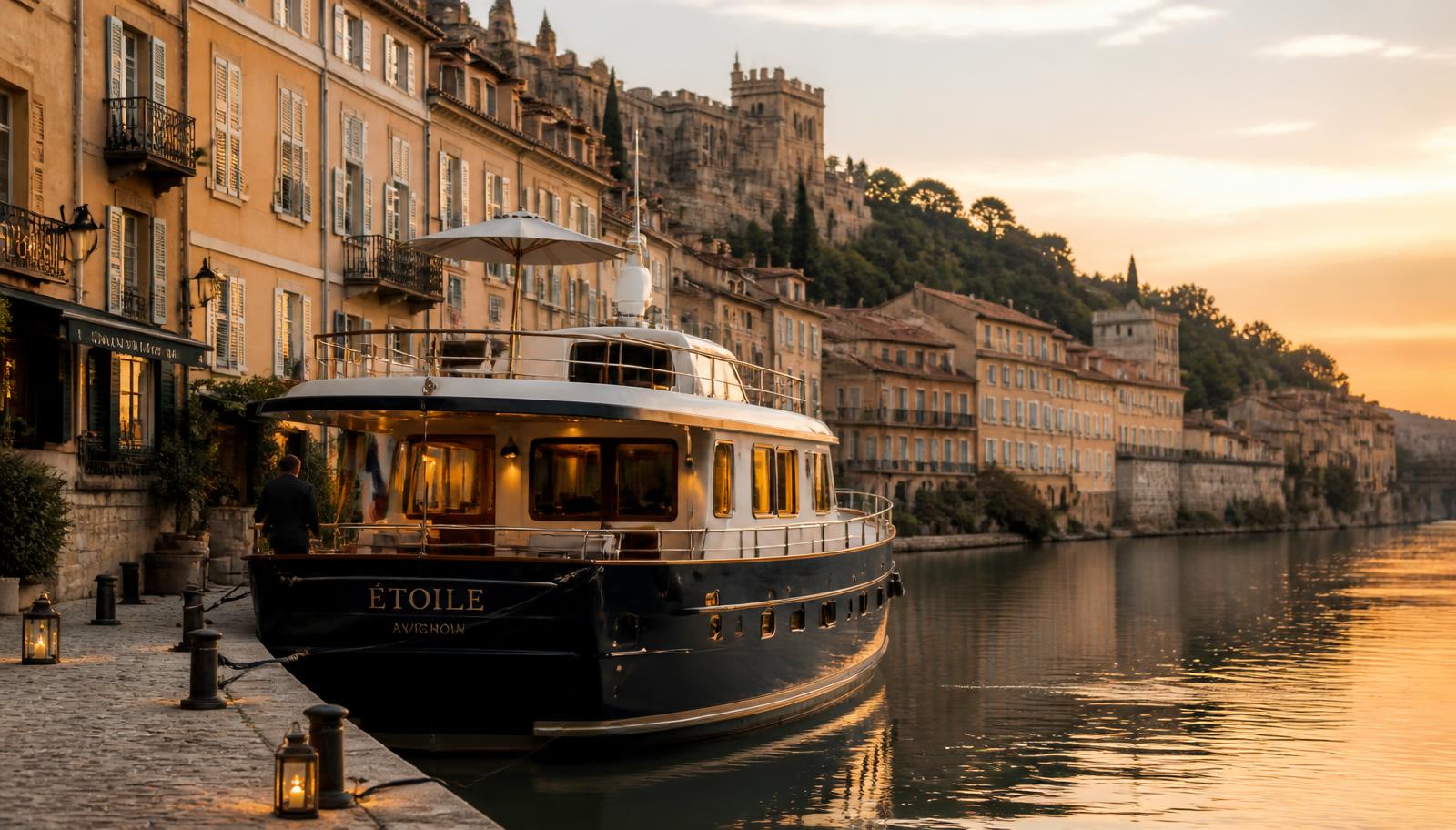
Cruise Styles · Luxury Ocean
Space, service, dining and inclusions, decoded — an honest look at what the higher fare buys, and how to decide whether it fits the way you travel.
The Definition
"Luxury" is the most borrowed word in cruising. Premium lines use it; mega-ships use it. The real thing is not a chandelier in the atrium — it is a cluster of measurable qualities that change every hour of the voyage.
Luxury at sea is measured in space per guest — the ratio of ship to traveller. On many luxury lines, public rooms never feel full, and a quiet corner with a sea view is a fixture, not a lucky find.
Higher crew-to-guest ratios mean the barista knows your order on day two and your suite is refreshed while you're at breakfast. On many lines, the service is the single greatest difference from premium cruising.
Smaller galleys cooking for fewer guests, open seating, and menus shaped by the itinerary's destinations. On many luxury lines the specialty restaurants carry no surcharge — but this varies, and it's worth confirming.
Fewer announcements, fewer queues, fewer wristbands. The tone on many luxury ships is closer to a private club or a grand hotel than a resort — though each line strikes it differently.
The distinction that matters: premium cruising sells a better version of the big-ship holiday. Luxury cruising is a different holiday — and the fare difference buys different things on every line.
The Decision
Luxury exists at both scales, and neither model is universally superior. The right choice follows from the atmosphere you want and the way you like to spend a day at sea.
The Fare
"All-inclusive" means something different on every line — and sometimes on every fare class. Here is the honest shape of it, and why two similar headline prices can hide very different totals.
Dining
All venues are included on many luxury lines, including restaurants that carry surcharges elsewhere.
Drinks
Wines and spirits are included on many lines, sometimes with premium tiers excluded.
Gratuities
Included on many luxury fares — a meaningful difference in the true total.
Wi-Fi
Commonly included, though speeds at sea remain speeds at sea.
Excursions
Some lines include a selection ashore; others price every tour separately.
Airfare
Bundled in some promotions, absent in others — always worth pricing both ways.
Transfers & pre-cruise hotels
Frequently included on higher fare classes, entirely separate on others.
Premium wines & spirits
House pours are often included; connoisseur lists usually are not.
The true cost of a cruise is the fare plus everything you will actually buy aboard. Totalled honestly, the gap between premium and luxury is often far smaller than the headline prices suggest — which is why the comparison, not the sticker, is where Eric starts.
The Cabin
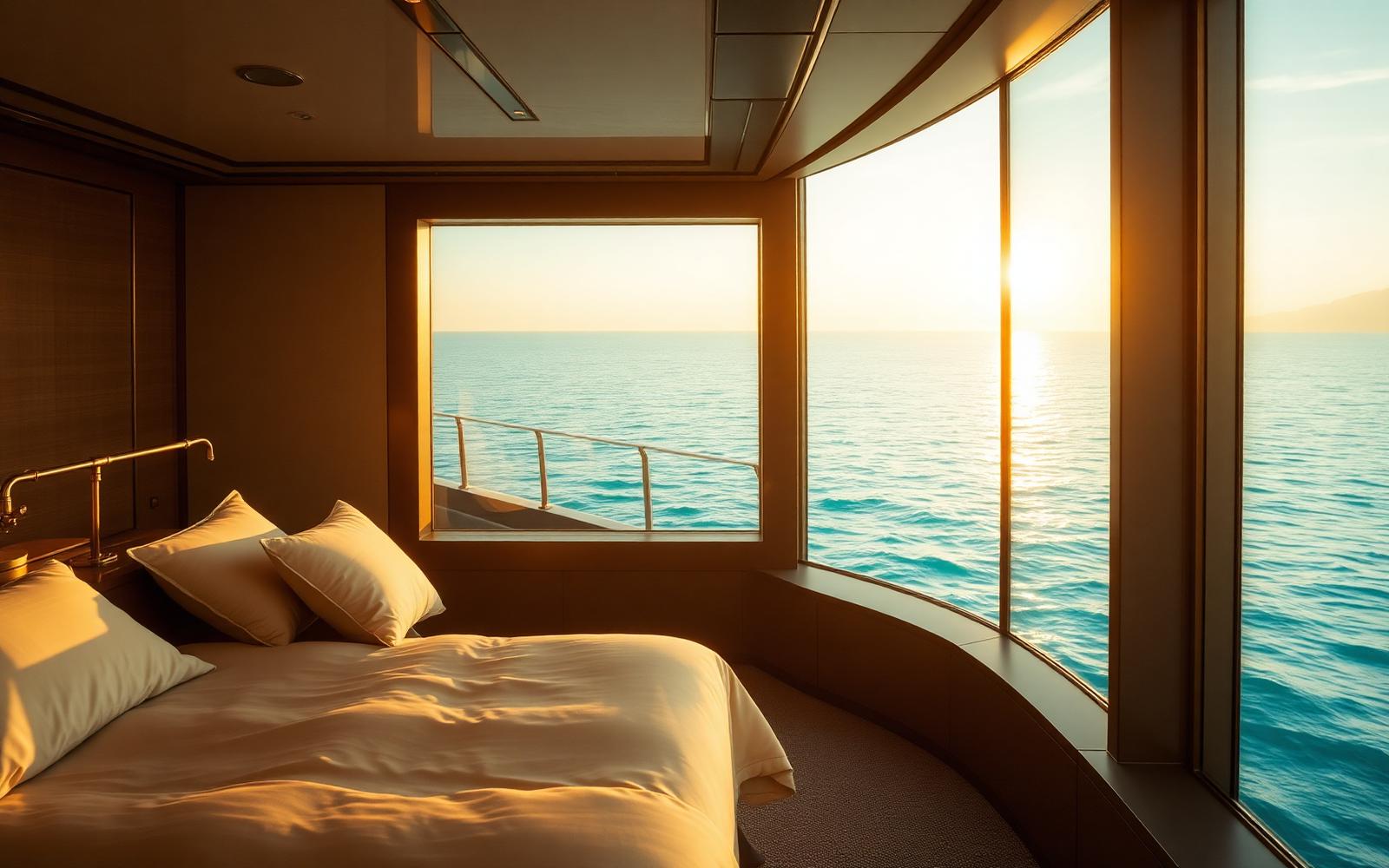
On longer voyages — a crossing, a fortnight in the Med — the cabin stops being a place you sleep and becomes the place you live. Forward suites high on the ship, where the sea becomes wallpaper, earn their premium for travellers who holiday in the room as much as ashore.
Butler service, priority reservations and suite-only spaces can also change the shape of the whole voyage — on the lines where they're genuinely delivered.
On destination-intensive itineraries, you may spend twelve waking hours a day off the ship. In those weeks, a well-positioned veranda cabin delivers most of the experience for meaningfully less — and the savings are better spent on the voyage itself.
Deck plans lie in both directions. Which cabin categories earn their fare on a specific ship is one of the five questions Eric answers before he recommends anything.
The Geography
Not every luxury cruise is a small-ship cruise, and no ship goes everywhere. But on many itineraries, size redraws the map: smaller vessels can berth in harbour towns where larger ships anchor offshore, tie up along the quay instead of a distant cruise terminal, and on some itineraries stay late or overnight — which means dinner ashore in a port the day-trippers left at five.
The difference is most pronounced in places built before cruise ships existed: Mediterranean harbours, Caribbean yacht anchorages, Norwegian fjord villages. Where it matters to your itinerary, Eric will say so — and where a larger ship serves the voyage better, he'll say that instead.
The Honest Part
Luxury cruising is not premium cruising with nicer towels. It is a different style of travel, with its own compromises.
Luxury cruising costs more — sometimes substantially more — even after inclusions narrow the gap. The honest question is never "is it cheaper" but "is what it buys what you actually value."
You are trading Broadway-style theatres, casino floors and a dozen bars for a handful of beautiful rooms. If big-ship spectacle is part of the pleasure, a luxury ship will feel quiet rather than refined.
Entertainment leans toward enrichment: a guest lecturer, a pianist, a nightcap. Many guests consider this the point. Night owls looking for midnight energy should look carefully at the specific line.
Some luxury lines keep elegant-casual throughout; others hold formal or semi-formal evenings. The range across lines is wide — worth knowing before you pack, not after you board.
Many luxury itineraries are longer and more destination-intensive, with fewer pure sea days. Bliss for the curious; less so for travellers whose ideal day is a pool deck and a paperback.
Still reading? That usually means the honest version of luxury appeals to you more than the brochure version — which makes you precisely the traveller it suits.

Your Concierge
Choosing a luxury ocean cruise is five decisions disguised as one: the ship's size, its atmosphere, what the fare genuinely includes, the cabin or suite category, and the itinerary itself. Each changes the value of the fare — and the brochures rarely make the differences legible.
Eric walks you through all five in one conversation. He'll tell you where the higher fare earns itself, where a premium line delivers most of the experience for less, and which suite categories are worth the premium on the specific ship you're considering.
Read The PhilosophyVoyage Inspiration
Butlered suites in the Aegean, yacht-class Caribbean harbours, a grand transatlantic crossing — a short list of example journeys to start the conversation, shaped around your dates and your party.
From The Logbook
Ship Reviews
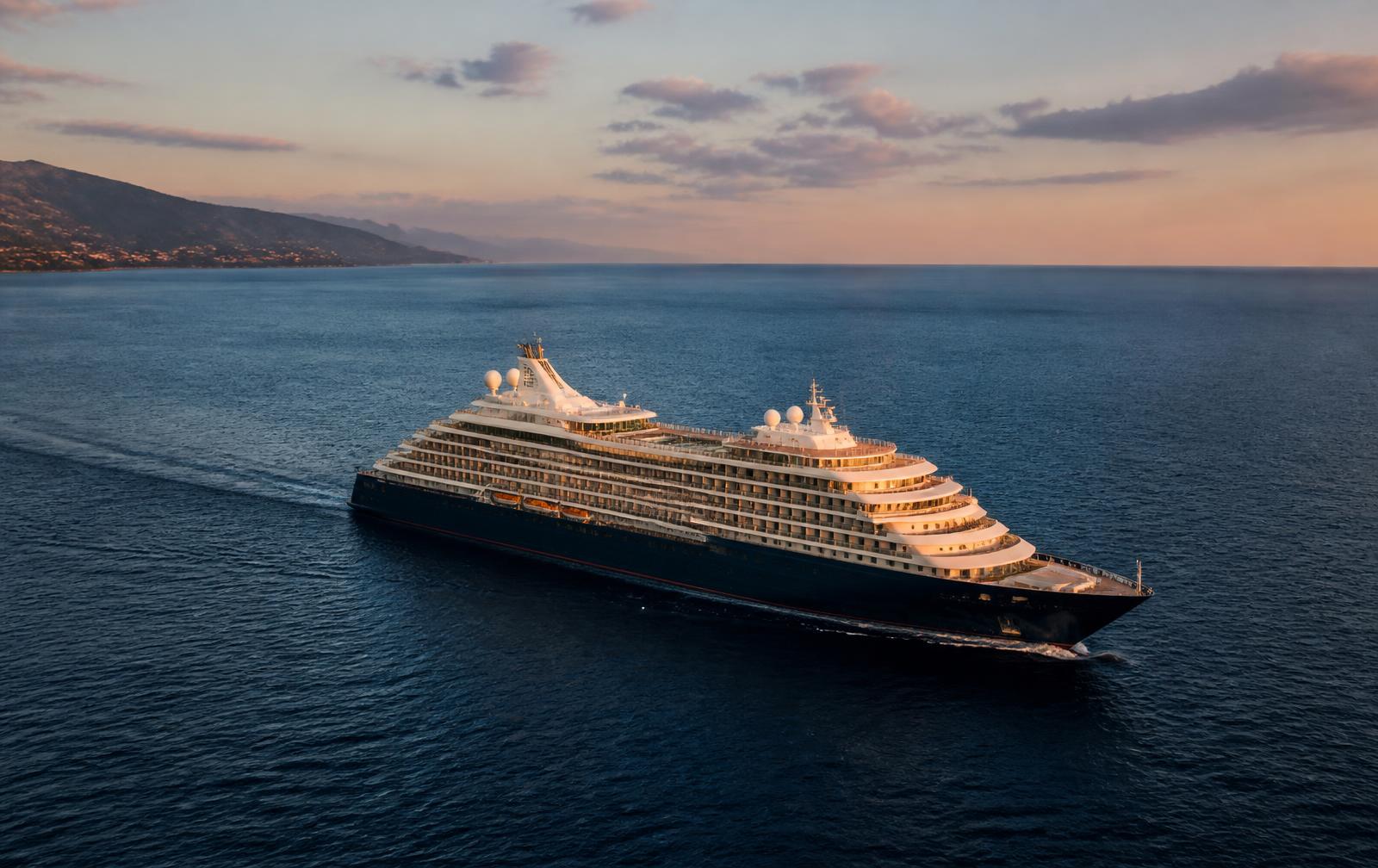
Regent, Silversea, Seabourn, Explora Journeys and Crystal all deliver exceptional luxury at sea — but not the same kind. Start with how you travel, not with the brand.
Ship Reviews
Why 200 guests is the new frontier of ultra-luxury travel — and how a smaller manifest reshapes every hour aboard.
Ship Reviews
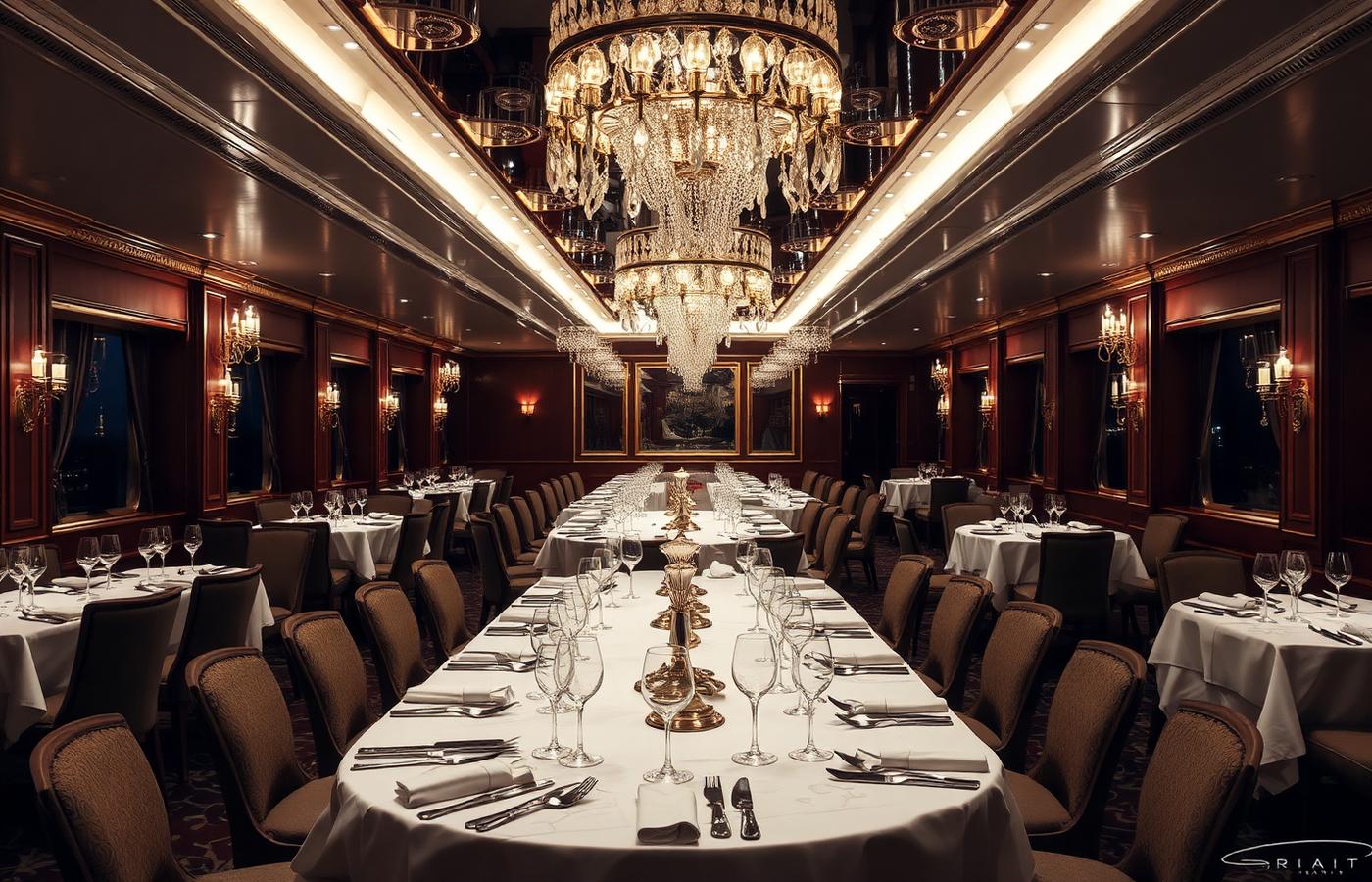
Seven nights, six formal, one ocean. A dispatch from the transatlantic passage that still asks its guests to dress for dinner.

Insider Tips
Deck plans lie. A short guide to the five questions that actually determine whether your suite will be worth what you paid.
Insider Tips
For decades, the luxury of a cruise vacation was measured in scale. Today, a quiet shift is redefining travel: discerning voyagers are trading commercial mega-ships for the intimacy, access, and depth of boutique yacht and river voyages.

Insider Tips
Two very different ways to cruise — and how to recognize which rhythm matches the way you like to travel.
Questions
Not a label — a cluster of measurable things: space per guest, crew-to-guest ratios, the quality of the dining, what the fare includes, and the tone of the ship. Premium lines borrow the word freely, so the reliable test is those specifics rather than the marketing. Comparing them line by line is precisely what Eric does before recommending anything.
More inclusive, usually — but not universally, and not identically. Many luxury lines include drinks, gratuities, Wi-Fi and specialty dining; fewer include excursions or airfare, and it varies by fare class as well as by line. Two sailings at similar headline prices can differ by thousands once the extras are totalled.
No — it depends on what you're buying. Smaller ships tend to offer intimacy, quiet and, on some itineraries, access to smaller ports. Larger luxury ships offer more venues, more dining choice and more onboard life. Neither is universally superior; the right answer follows from how you like to spend a day at sea.
It varies more than it used to. Many lines now run elegant-casual throughout, while a few keep optional formal evenings as part of their identity. If dressing for dinner is a pleasure — or a dealbreaker — Eric will match you to the lines that share your view before you book.
Sometimes emphatically yes, sometimes no. If you value space, service, included drinks and gratuities, and quieter ships, the total-cost gap against premium cruising is often smaller than the headline fares suggest — and the experience gap is larger. If you mostly want a floating resort with endless venues, a premium line may deliver more of what you love for less. The honest comparison depends on you, which is why it's a conversation and not a price list.
The Next Step
A Direct Line
A single sentence is enough. Reach Eric directly — no forms, no queues.
Concierge hours · Monday – Friday · 9:00 AM – 6:00 PM EST