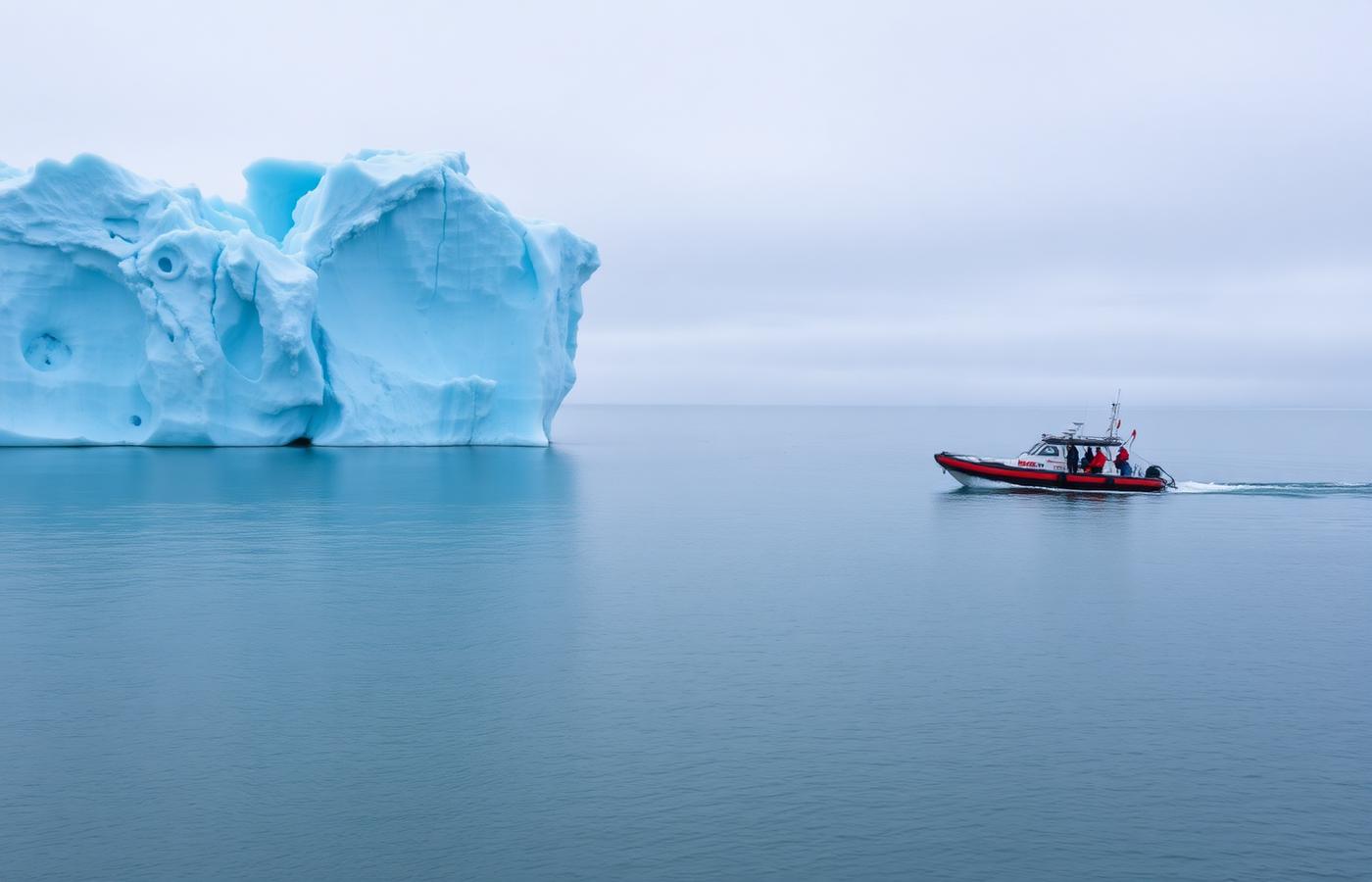
Every expedition line worth its salt sends you a packing list. The list is correct as far as it goes — parkas, muck boots, sunblock, layers, a dry bag. What the list does not tell you is that Antarctica is a place of extraordinary silences, and you will regret not preparing for them. It is a continent stripped of anthropogenic noise; the only sound is the deep, ancient groaning of pack ice and the sharp snap of a glacier calving miles away. Preparing for this environment requires looking past standard gear and anticipating how your body and senses will interact with total wilderness.
The five things that never make the list
- The Tactical Layer: A pair of ultra-thin, touch-sensitive silk or merino glove liners. They let you operate a DSLR or mirrorless camera on an open Zodiac deck in sub-zero wind chill without exposing bare skin to freezing metal or losing a fingertip.
- The Bridge Accessory: A soft, matte-black cashmere or fine cotton scarf. Bright white glare reflects off water and ice even during nighttime hours in peak season; a dark scarf eliminates peripheral glare when you are on the bridge at 2:00 a.m. watching icebergs drift past under the midnight sun.
- The Analog Discipline: A pocket-sized, hardbound notebook and a heavy-ink, all-weather pen — leaving the phone in the cabin. Digital batteries drain instantly in polar temperatures, and the tactile act of writing anchors your experience before digital distraction creeps back in.
- The Drake Passage Companion: A single, well-loved novel you have already read at least once. Crossing the Drake demands mental focus; a familiar book offers comfort during heavy rolls without requiring the cognitive effort of parsing a complex new plotline while adjusting to motion sickness remedies.
- The Expedition Etiquette: A modest, thoughtful token of appreciation for the onboard naturalists and expedition crew — specialty coffee beans from your home region, for instance. The expedition team dictates the quality of your shore landings; a subtle, unexpected gesture ensures an extra layer of tailored attention.
The polar thermal matrix
Warmth in Antarctica is not a single garment — it is a system. The three-layer polar approach is what separates a comfortable, all-day landing from a cold, curtailed one.
Base Layer
Merino wool, 200gsm minimum
Moisture management against the skin, so sweat never turns cold.
Mid Layer
High-loft fleece or lightweight down
Thermal retention — the insulating air pocket that holds body heat.
Outer Shell
Windproof, waterproof expedition-grade membrane
The barrier against katabatic wind, sea spray, and driving snow.
Assembled properly, this stack handles everything from a still glacier morning to a 40-knot Drake gust.
Continue reading: Expedition Cruises — the honest guide
A Private Consultation
Begin Your Bespoke Journey
Ready to explore the world of boutique small-ship and river cruising? Work directly with Eric to design your next voyage.